


Our Products
- Home
- Our Products
Near Zero Water Loss Recombination Vents
The hydrogen and oxygen gas that is always being created when a vented lead-acid or vented nickel-cadmium battery is being charged makes contact with the catalyst material inside the recombiner and those gases are turned back into water which is returned to the cell. Testing has shown that it is possible with some units to go 10 years or longer without needing to add water to the cells. Also, By recombining these gases before they exit the cell, they reduce the need for ventilation that is required to maintain a safe environment.
The undisputed benefits of using recombiners to reduce maintenance and improve safety have been recognized throughout Europe for over 50 years.
As of October 2022, the newly revised “IEEE1635/ASHRAE21 Guide for the Ventilation, and Thermal Management of Batteries for Stationary Applications” now fully substantiates the benefits of the use of Recombiners.
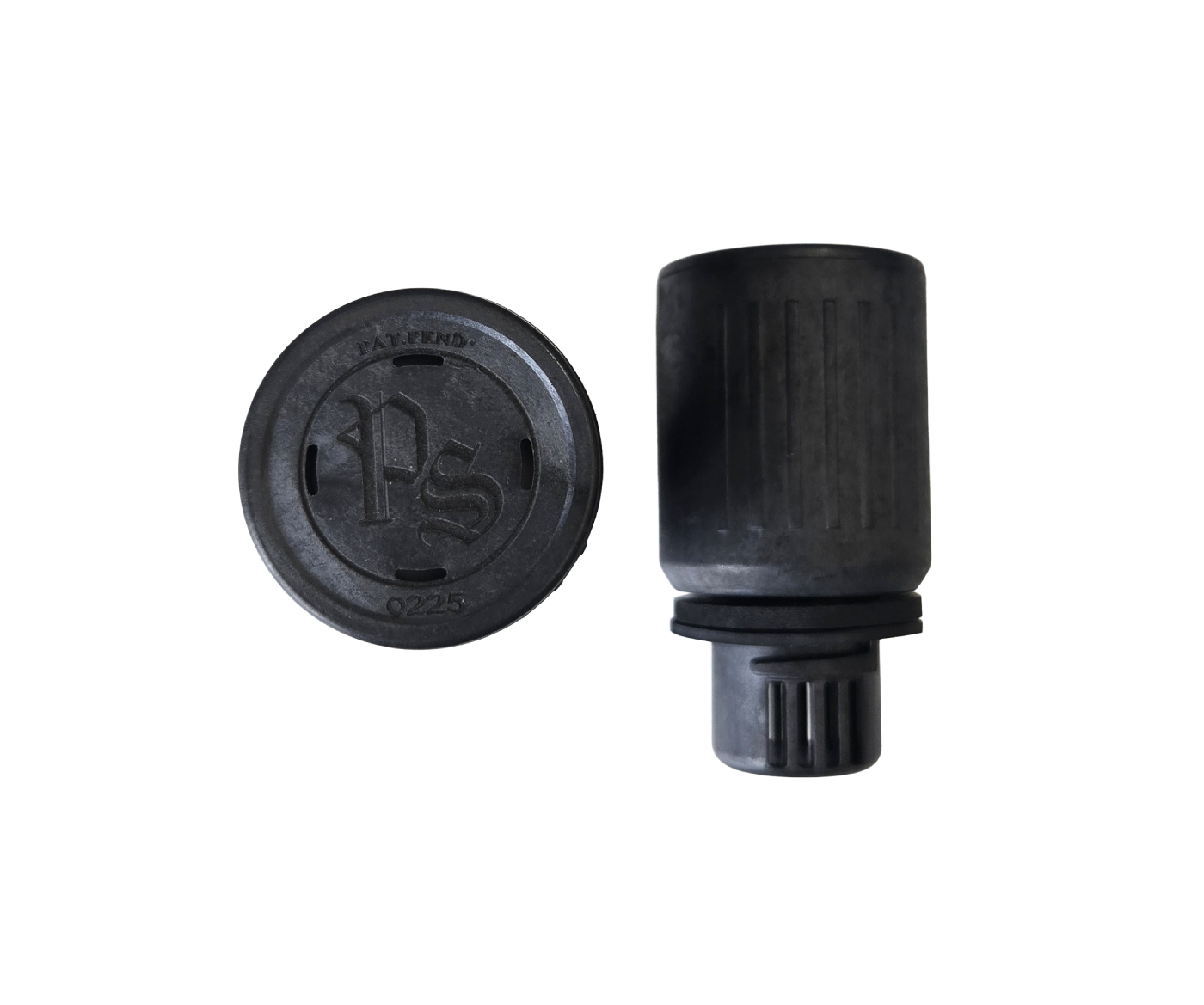
CTL-200
CTL-200 is designed for stationary battery cells, utilizes pressure relief valves, and is over 99% efficient at gas recombination.
- Over 99% effective in recombining gases back into water vapor. (93% as CTL-210).
- Utilizes the hygroscopic environment of the cell, not condensation.
- Capable of neutralizing hydrogen sulfide, stibine, arsine and amines.
- Catalyst core designed to limit the rate of recombination which controls the unit temperature to prevent damage.
- Reduction in explosive gas release reduces the ventilation costs.
- Eliminates the risk of adding contaminated water to the cells.
- Testing has shown the capability to safely withstand extended periods of 50 amps of overcurrent gas generation without degradation.
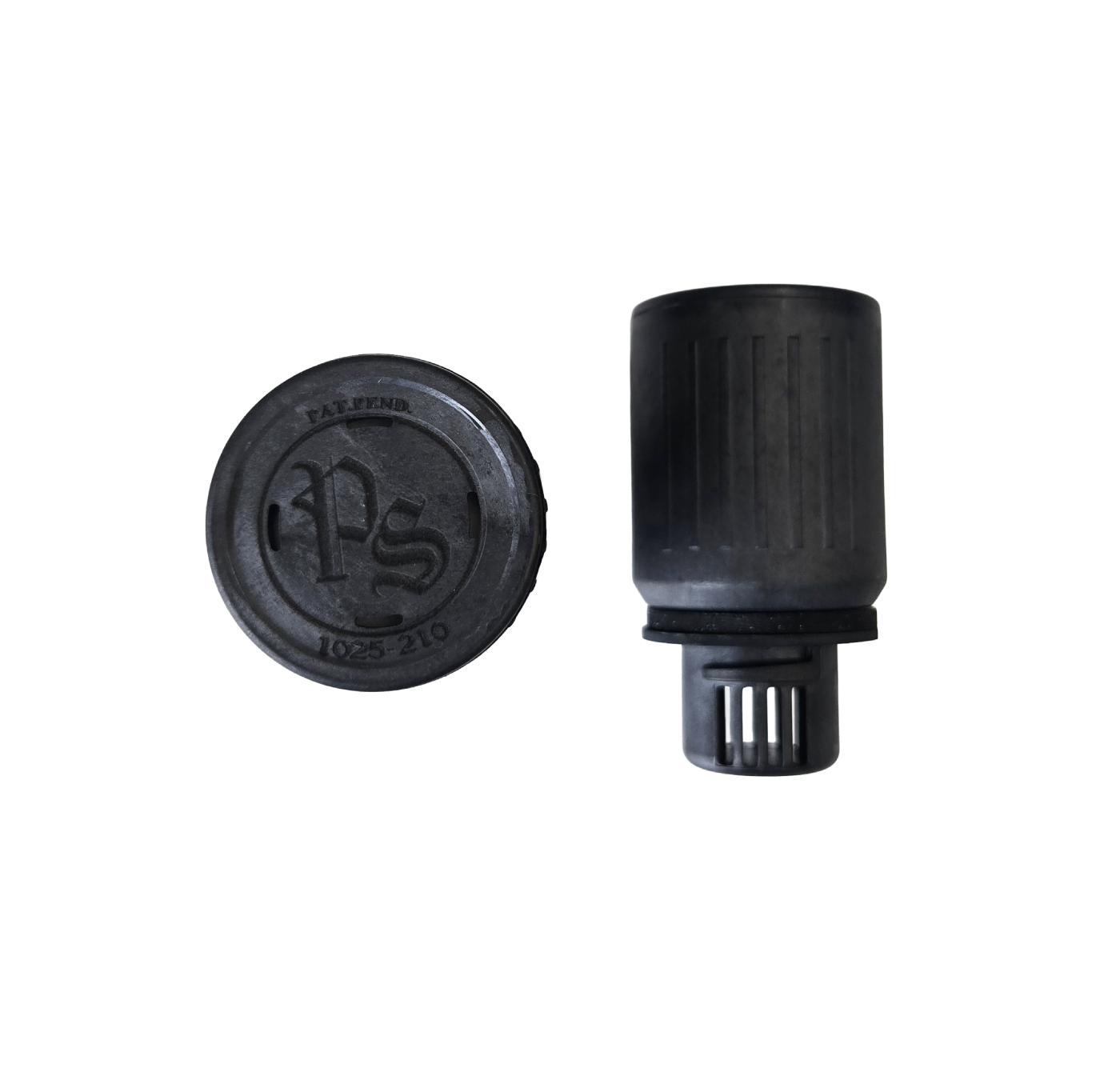
CTL-210
CTL-210 is designed for stationary battery cells, utilizes pressure relief valves, and is over 99% efficient at gas recombination.
- Over 93% effective in recombining gases back into water vapor. (99% as CTL-200).
- Utilizes the hygroscopic environment of the cell, not condensation.
- Capable of neutralizing hydrogen sulfide, stibine, arsine and amines.
- Catalyst core designed to limit the rate of recombination which controls the unit temperature to prevent damage.
- Reduction in explosive gas release reduces the ventilation costs.
- Eliminates the risk of adding contaminated water to the cells.
- Testing has shown the capability to safely withstand extended periods of 50 amps of overcurrent gas generation without degradation.
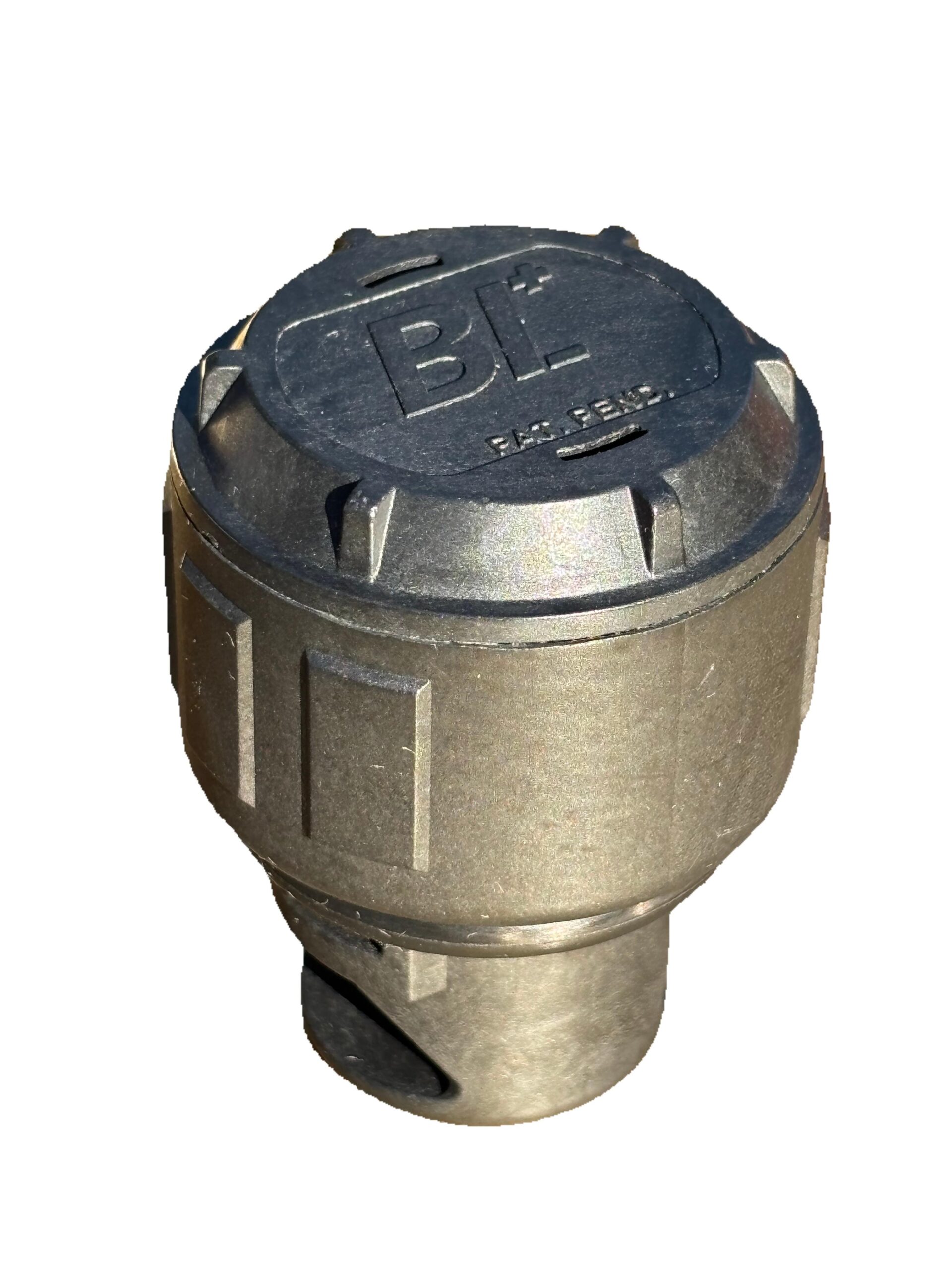
RECOM-S
The RECOM-S is designed for vented stationary battery cells, does not utilize pressure relief valves and is 90% efficient at gas recombination.
• Over 99% recombination, no watering needed!
• Designed to fit all U.S. and European batteries
• No valve design eliminates any cell pressurization
• Every component in the RECOM-S can withstand temperatures up to 525°F
• Reduces explosive Hydrogen gas for lower ventilation costs
• Life expectancy of 20+ years (5-year warranty)
• The lowest profile Recombiner on the market
• Patent Pending Technology
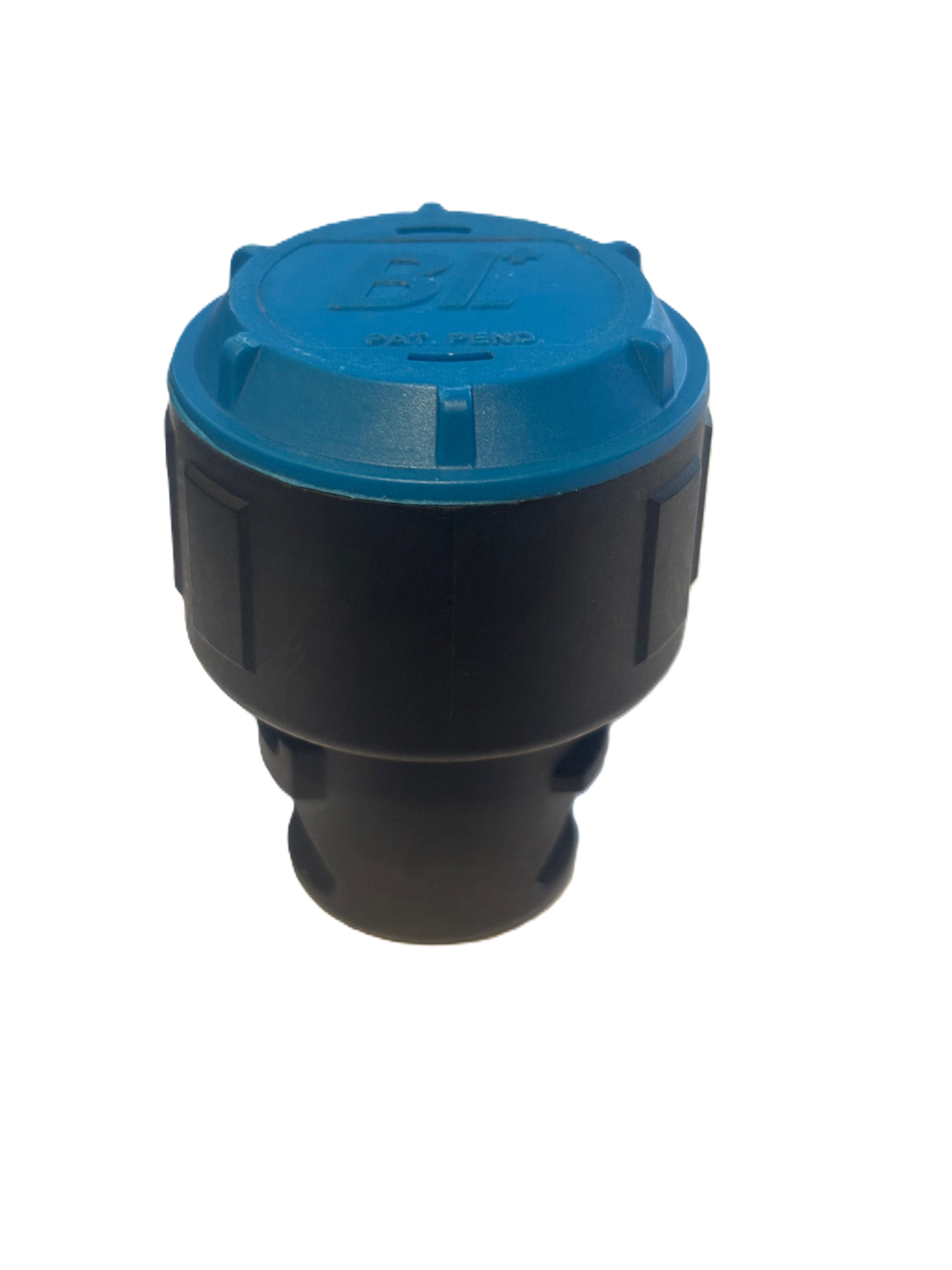
RECOM-D
The RECOM-D is designed for golf cart and cycling batteries, does not use pressure relief valves and is 90% efficient at gas recombination.
- Over 90% recombination, minimal watering!
- Designed to fit all U.S. and European batteries
- No valve design eliminates any cell pressurization
- Every component in the RECOM-D can withstand temperatures up to 525°F
- Reduces explosive Hydrogen gas for lower ventilation costs
- Life expectancy of 5+ years (2-year warranty)
- The lowest profile Recombiner on the market
- Patent Pending Technology
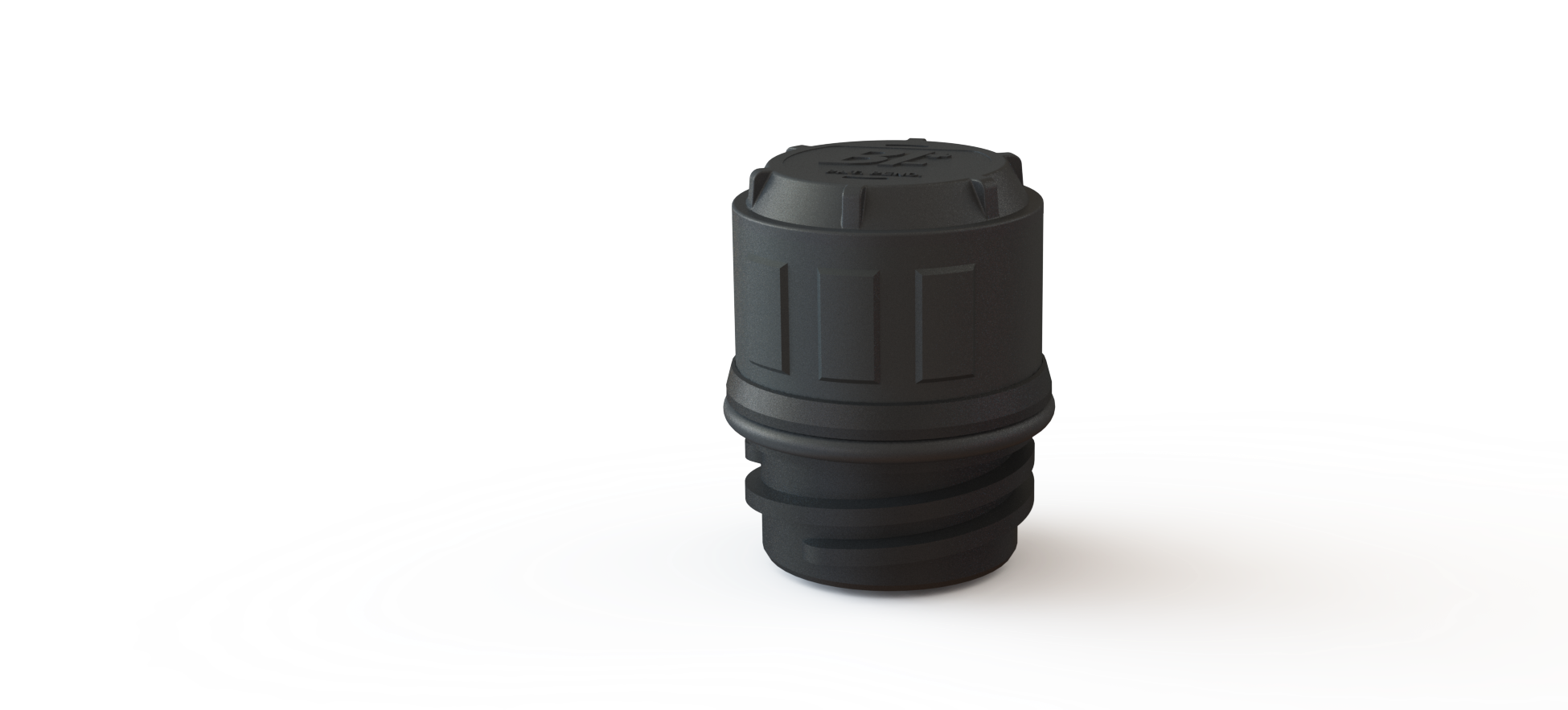
RECOM-S-T
The RECOM-S-T is designed for vented stationary battery cells, does not utilize pressure relief valves and is 99% efficient at gas recombination.
- Over 99% recombination, no watering needed!
- Designed for threaded vent openings
- No valve design eliminates any cell pressurization
- Every component in the RECOM-S-T can withstand temperatures up to 525°F
- Reduces explosive Hydrogen gas for lower ventilation costs
- Life expectancy of 20+ years (5-year warranty)
- The lowest profile Recombiner on the market
- Patent Pending Technology
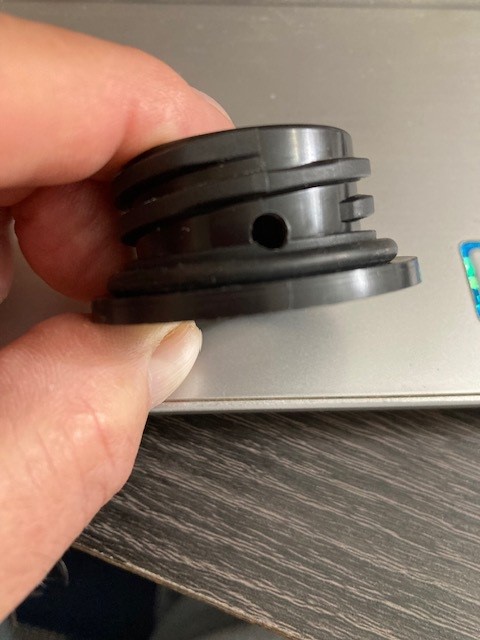
ADPTR
The ADPTR is an adapter that allows a standard bayonet based recombiner to fit into a threaded base cover.
Catalysts for VRLA cells
A catalyst is a substance that accelerates a chemical reaction without being consumed or permanently altered in the process. When used in VRLA cells they reduce the water loss from the electrolyte, reduce overcharging of the positive plates which prevents PCL (pre-mature capacity loss) and with cells that do have PCL. When coupled with a properly performed re-saturation such as explained in the IEEE 1188 as the “special recovery process” or the IOVR+ process they help restore capacity and/or capability.
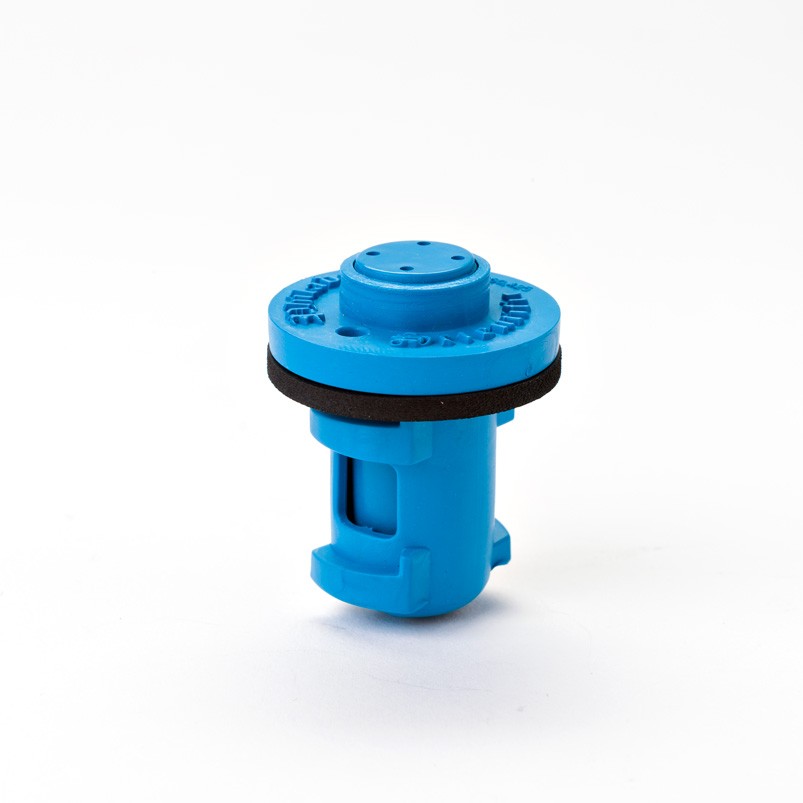
CTL-069
The CTL-069 catalyst equipped vent assembly is designed for the Absolyte 2 volt VRLA cells and reduces premature dry-out.
Nodular Corrosion
Nodular corrosion has been around for as long as there have been covers on jars but was not understood until written about back in 1988. The issues that caused it back then are the same ones that do today.
What makes nodular corrosion such a high risk problem is because it is usually undetected by visual inspections, and even when it is detected by observation of the internal post seal well cracks, or cracking post seal nuts, cracking covers, there is no way through a visual observation to determine the extent of the damage to the current carrying path of the internal positive bus. When nodular corrosion is given time to advance enough the positive post/s can appear fine but can melt off under a heavy load.
Until now there was no way to determine the degree of degradation.
The BR&T patent pending processes allow for detection of nodular corrosion many years before it is visually detectable.
Please contact us and let us explain how we accomplish this and if your cells are candidates for this inspection.

Nodular corrosion
Nodular corrosion has been around for as long as there have been covers on jars but was not understood until written about back in 1988. The issues that caused it back then are the same ones that do today.
What makes nodular corrosion such a high risk problem is because it is usually undetected by visual inspections, and even when it is detected by observation of the internal post seal well cracks, or cracking post seal nuts, cracking covers, there is no way through a visual observation to determine the extent of the damage to the current carrying path of the internal positive bus. When nodular corrosion is given time to advance enough the positive post/s can appear fine but can melt off under a heavy load.
Until now there was no way to determine the degree of degradation.
The BR&T patent pending nodular corrosion detection inspection process can determine with 100% accuracy if any of your cells have nodular corrosion, and if they do, how severe the risk is to your system.
Please contact us and let us explain how we accomplish this and if your cells are candidates for this inspection.